If you are a wildlife lover, a photography enthusiast, or simply a traveler looking for an extraordinary encounter with nature, Da Nang holds a secret that sets it apart from almost any other coastal city in the world. Just 30 minutes north of the bustling downtown, hidden within the dense jungle canopy of the Son Tra Peninsula (Monkey Mountain), lives one of the world’s most strikingly beautiful and endangered creatures: the Red-shanked Douc Langur.
Affectionately dubbed the “Queen of Primates” by biologists, this rare leaf-eating monkey looks as if it were painted by an artist. It sports a dazzling, five-color coat featuring a golden-orange face, pristine white forearms, maroon “stockings” on its legs, and a long, majestic white tail.
The Son Tra Nature Reserve is home to the largest remaining population of this species in the wild, with around 1,300 individuals. If you want to see these magnificent creatures swinging through the trees in their natural habitat, here is your insider guide on where, when, and how to spot them.

Mapping the Langur Territory
Unlike the common long-tailed macaques that aggressively hang around temples looking for snacks, Red-shanked Douc Langurs are shy, highly arboreal, and spend 99% of their lives high up in the treetops. To find them, you need to know exactly where their favorite feeding grounds are:
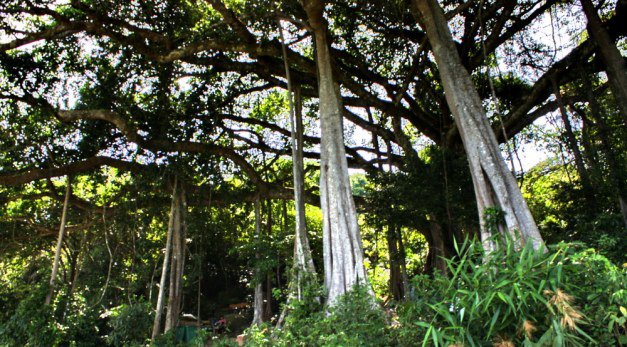
- The Northern Coastal Stretch (Near the InterContinental Resort): The old-growth forest surrounding the slopes near the luxury InterContinental Resort and extending toward the Thousand-Year-Old Banyan Tree is prime langur territory. They love the dense canopy here, where they can feed on wild figs, banyan leaves, and mahogany buds.
- The Southern Ridges (The Way to the Radar Station): The quieter, less-traveled mountain routes heading up toward the old heliport and radar station offer fantastic vantage points. Because there are fewer tourist crowds on these roads, the langur families feel much safer coming closer to the roadside trees.



Timing is Everything
You cannot just show up at noon and expect to see a langur. These primates adhere to a strict daily routine, and timing your visit perfectly is the difference between a successful safari and staring at empty branches.
- The Morning Window (6:00 AM – 8:30 AM): This is the absolute best time. As the morning sun warms the jungle, the langur families move to the outer edges of the canopy to sunbathe, groom each other, and eat their breakfast. The light at this hour is also perfect for photography.
- The Afternoon Window (4:00 PM – 5:30 PM): After sleeping away the midday heat deep in the shaded valleys, the langurs emerge once again for a final feeding frenzy before the sun sets.
- Note: Between 11:00 AM and 3:00 PM, the jungle goes completely quiet as the langurs retreat into the deep, inaccessible ravines to rest.
Critical Wildlife Etiquette: Respecting the Canopy
To ensure a safe experience for both you and the wildlife, there are a few local rules you must follow:
- Keep Your Distance: Bring a pair of binoculars or a camera with a good telephoto lens (at least 200mm–400mm). Always keep a respectful distance of at least 30 to 50 meters.
- Silence is Golden: Langurs have incredibly sharp hearing. Lower your voice to a whisper, avoid making sudden movements, and never slam car doors or blow horns.
- Never Offer Food: Red-shanked Douc Langurs have highly specialized stomachs designed strictly for digesting wild leaves and seeds. Human food can make them fatally ill.
Why a Guided Day Tour is the Smartest Choice
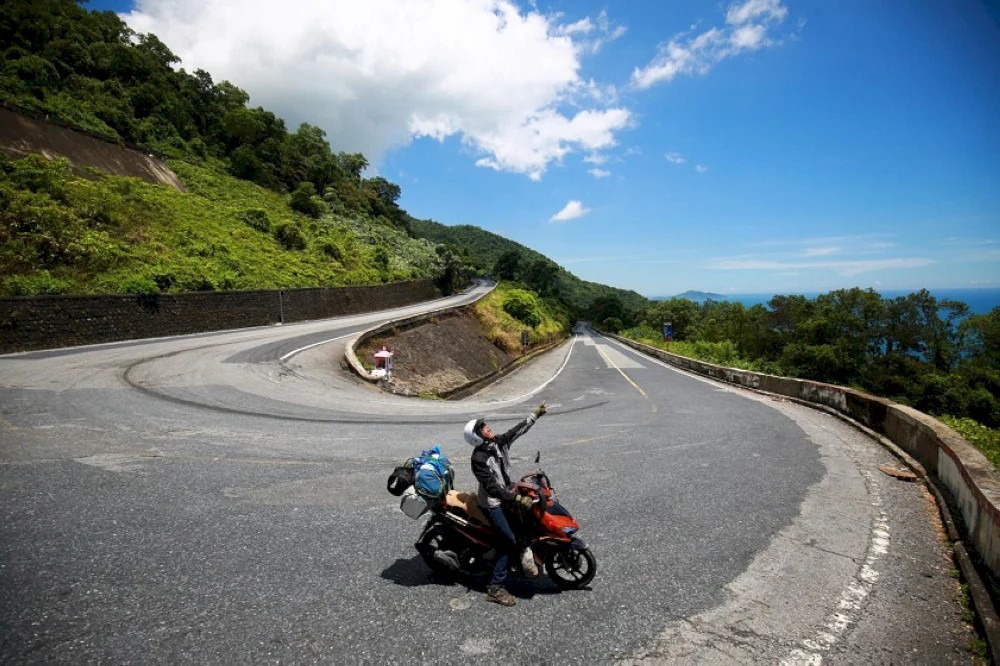
Navigating the steep, sweeping curves of the Son Tra Peninsula while scanning 30-meter-high tree canopies is a recipe for a highway accident if you try to do it alone. Furthermore, local park regulations strictly prohibit automatic scooters on the upper mountain routes due to safety hazards on the steep descents.
Joining a dedicated day tour eliminates the stress entirely. You get to ride in a comfortable, air-conditioned vehicle with high-vantage windows, and more importantly, you get the eyes of a local expert. Local guides and drivers know the exact trees that are currently fruiting, understand the langurs’ daily migration patterns, and can spot a flash of orange or white hidden deep in the green leaves from hundreds of meters away.
Book 1-Day Da Nang Wildlife Tour!
Ready to stand face-to-face with the magnificent “Queen of Primates” and experience the very best of Da Nang’s wild side? Let us handle the logistics while you focus on the adventure! Our all-inclusive [1-Day Da Nang & Son Tra Tour] is designed to give you the ultimate stress-free safari.