Stretching for 21 kilometers and climbing 496 meters above sea level, Hai Van Pass is a majestic mountain road that forms a natural border between Hue and Da Nang. Its name, “Ocean and Clouds,” perfectly captures its essence: a winding path where the ocean’s waves meet a sky of perpetual mist and cloud. This pass isn’t just a road; it’s a breathtaking adventure, celebrated as one of the most scenic and thrilling routes in Vietnam.

A Journey of Thrills and Breathtaking Views
For many travelers, the best way to experience Hai Van Pass is on a motorbike. The slow, hour-long climb offers an exhilarating and deeply rewarding journey. As you ascend, the temperature drops, and the air becomes crisp and cool.
At the summit, you’ll find old French fortifications and a stunning panoramic view. On a clear day, you can look north to see the misty hills of the Annamite Range, the picturesque Lang Co fishing village, and the sprawling Lap An lagoon. To the south, you’ll see the vibrant city of Da Nang, its beaches, and the expansive sea. This is a perfect spot to take photos and soak in the magnificent landscape.

A Path of History and Climate
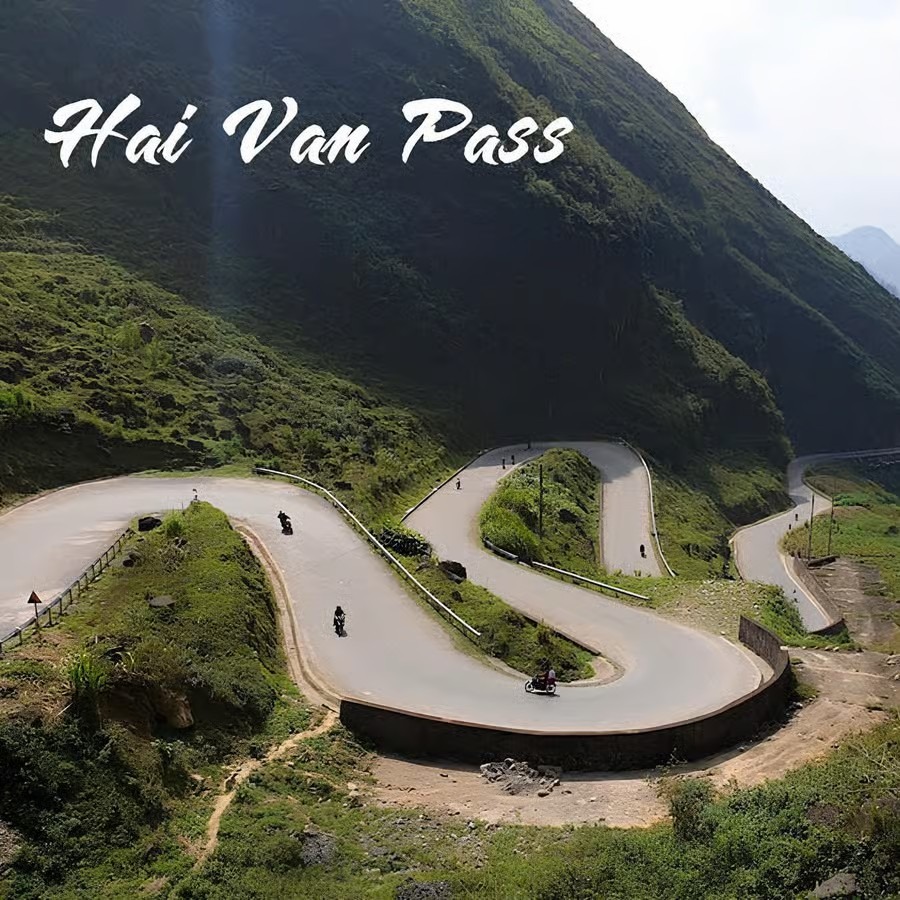
The pass isn’t just a natural landmark; it’s a historic and cultural divide. It separates the distinct climates and cultures of Northern and Southern Vietnam. Before the Hai Van Tunnel was built, this winding road was the only way for travelers to get between Hue and Da Nang, making it both a beautiful and famously dangerous route.
Hai Van Pass crosses the country from the western border to the east coast, thus creating a distinctively different climate, culture and people in the two regions. Transportation through Hai Van pass, before Hai Van tunnel built, is quite difficult. Road trip passing over the pass takes an hour, however instead you will have the opportunity to admire the pass and scenery below or witness the spectacular fog. Although the terrain of the road is quite dangerous due to high mountains and deep pools, this place is an ideal tourist destination for a stop, photographing on the way from Hue to Da Nang.
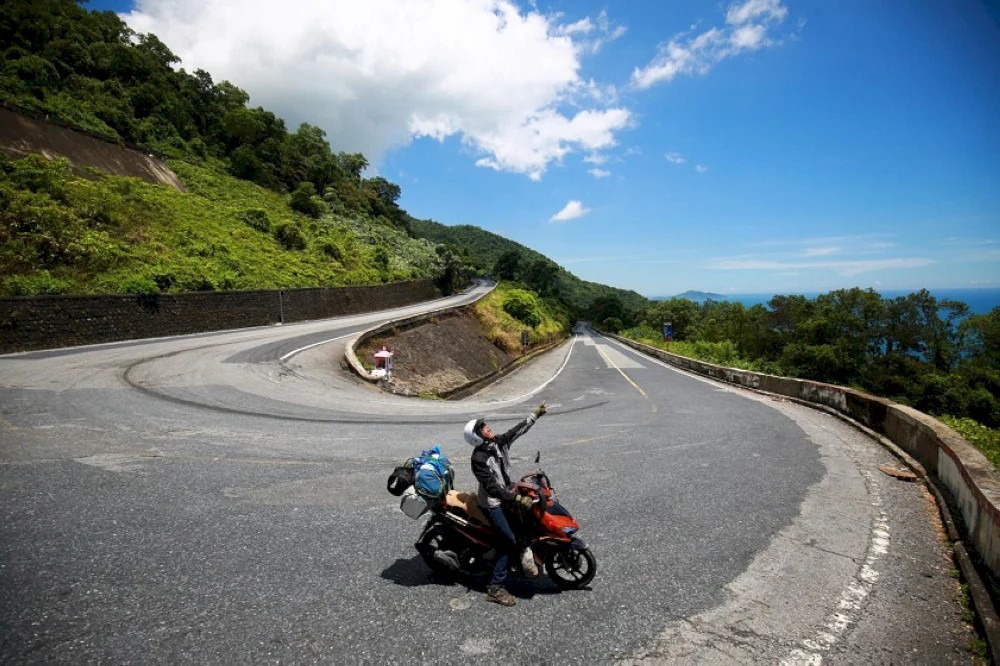

On sunny clear days, from Hai Van pass, you can look to the north, is the mountainous hills that coincide with the white clouds, the faraway is the Lap An lagoon, the picturesque Lang Co fishing village, to the south, waves surf around the mountainside, looming the fishing boats of fishermen running offshore.

Hai Van Tunnel: The Modern Alternative
For those in a hurry, the Hai Van Tunnel offers a convenient alternative. At 6.28 kilometers long, it’s the longest tunnel in Southeast Asia and drastically cuts down travel time. The tunnel is open to cars and buses but not to motorbikes or bicycles, preserving the legendary pass as a special route for adventurous travelers.